
Living in Marbella, described by people who are not selling you a holiday
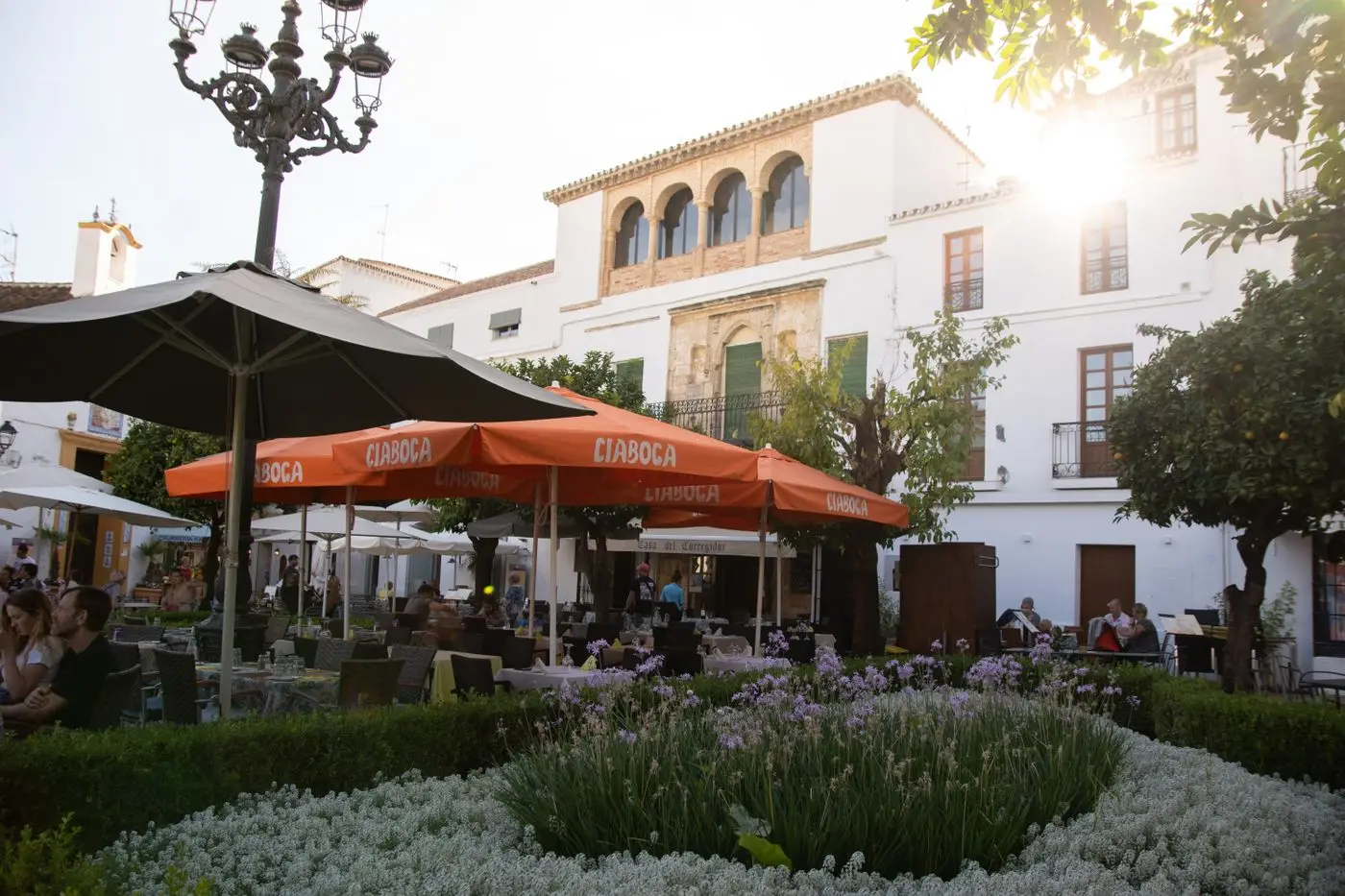
Most of what is written about living in Marbella is written by someone with something to sell. A house, a holiday, a relocation package. This is written by an advisory firm, which means we have something to sell too. So here is the deal: we are not going to tell you the weather is nice. You already know that. We are going to tell you the things that decide whether the move works, and several of them are unglamorous.
Marbella is bigger and more varied than the name suggests
“Marbella” in conversation usually means the strip between the old town and Puerto Banús. The municipality is larger than that. It runs roughly 27 kilometres along the coast and takes in San Pedro de Alcántara and Nueva Andalucía to the west, the old town and the Golden Mile in the middle, and Las Chapas, Elviria and Cabopino to the east.
These behave like different places.
- The old town is the part that existed before the coast was developed: narrow streets, a working town centre, apartments rather than villas. People who want to live without a car live here.
- The Golden Mile runs between the old town and Puerto Banús. Large plots, gated properties, and the highest prices in the municipality.
- Nueva Andalucía sits inland behind Puerto Banús, built around golf courses. Quieter, more residential, popular with families.
- San Pedro de Alcántara is a town in its own right with its own centre and a more Spanish everyday feel than the seafront strip.
- The eastern beaches (Las Chapas, Elviria, Cabopino) are lower density and further from everything, which is either the appeal or the problem.
Two names that come up constantly are not in the municipality at all. Benahavís and Estepona are separate town halls with their own planning rules and their own local taxes. If a listing says “Marbella area”, check which municipality the property is actually in, because it changes who regulates it.
The seasons are the thing nobody mentions
The coast has two modes. From roughly November to April it is a quiet provincial town where you can park, get a table, and drive the A-7 at a normal speed. From July to the end of August the population multiplies, the coastal road becomes slow, and everything that was easy takes longer.
This matters more than it sounds when you are choosing where to buy. A street that is charming in February can be a bottleneck in August. If you can, see the place you are considering in both states. If you cannot, at least ask.
The corollary is the good news: the winter is genuinely usable. Direct flights into Málaga run year-round, which is why the area works as a base rather than only as a summer address, and why a meaningful share of owners are here outside the season.
Getting in and out
Málaga–Costa del Sol airport is the coast’s airport, roughly 40 to 60 minutes east of Marbella depending on traffic and where in the municipality you are. It is one of Spain’s larger airports and connects to most of Europe through the winter, not just in summer.
There is no train to Marbella. The coastal rail line runs from Málaga westwards only as far as Fuengirola; from there it is road. A rail extension along the western coast has been discussed for many years. Treat it as something that may happen, not as something to plan around.
In practice this means a car. The A-7 coastal road and the AP-7 toll motorway run parallel; the toll road is the one you use in August.
The paperwork, in the order it actually happens
NIE. A foreigner identification number. Nothing works without it — you cannot complete a purchase, open most bank accounts, or file a tax return. Get it early; it is the single most common cause of a delayed completion.
Empadronamiento. Registering on the municipal roll at the town hall. It is what proves you live where you say you live, and it is the gateway to local services. It is separate from residency and separate from tax.
Residency, if you are not an EU or EEA citizen. Buying property in Spain does not give you the right to live here. The investor residence route through property purchase was closed; anyone still presenting a purchase as a residence strategy is working from a rule that no longer applies. Residence runs through a separate permit and belongs with an immigration lawyer.
Without residency, third-country nationals, which since Brexit includes British citizens, are subject to the Schengen short-stay limit: 90 days in any rolling 180-day period, counted across the whole Schengen area, not just Spain. People consistently underestimate how restrictive that is when they own a house they would like to use.
The 183-day line, and why it is the most expensive thing on this page
Spend more than 183 days in a Spanish calendar year and you are likely to be tax resident in Spain. Tax residency is decided by where you actually are and where your interests are centred. Not by your passport, and not by whether you signed anything.
The consequence is not a small one. A Spanish tax resident is taxed on worldwide income, and there are further reporting duties on assets held outside Spain. Someone who drifts past the line without noticing does not get a warning; they get a problem later.
This is a question for a tax adviser before you move, not after. We raise it because it is the single issue we see people discover too late, and because it is invisible from the property side of the transaction.
What it costs to be here, beyond the price
Three recurring costs surprise buyers:
- IBI, the annual municipal property tax, levied by the town hall.
- Community fees, in any development with shared grounds, pools, security or lifts. On a gated development with real amenities these are not trivial, and they are set by the community, not by the seller.
- Non-resident filing. If you own Spanish property and are not tax resident here, Spain expects an annual return on it even in a year when you earned nothing from it. The Agencia Tributaria is the authority; the mechanism is described in our guide to non-resident property tax.
None of these are reasons not to buy. They are reasons to have the full number before you decide, rather than after.
Healthcare, schools and the ordinary business of life
Public healthcare in Spain runs through the social security system, so access depends on your status. Working, pensioner with the relevant entitlement from your home country, or neither. Non-working residence permits generally require private cover. Private clinics are widely available on the coast and many people carry private insurance regardless.
There are several international schools serving the western Costa del Sol, teaching British, Spanish and international curricula. Places in the well-regarded ones are not automatic and applications run on their own calendar, which is a good reason to look at schools before you look at houses if you are moving with children.
Everyday Spanish life is more accessible in San Pedro and the old town than in the resort strip. Whether you need Spanish depends entirely on which of those you choose, which is worth being honest with yourself about.
The thing that is specific to Marbella
Marbella’s planning history is unusual and it reaches into ordinary purchases. The 2010 general plan was annulled by the Supreme Court in 2015, which returned the municipality to a plan approved in 1986. A replacement, the PGOM, has been working through approval, and the detailed plan that settles matters at the level of an individual plot comes later still.
For most apartments in established developments this is background noise. For villas, extensions, plots and anything that has been altered since it was built, it is not. It is why the licence of first occupation and the registry description deserve real attention here, and why “it has always been like that” is not an answer.
We have written about that separately, because it is the part of buying in Marbella that most resembles a trap.
Would we recommend it?
That is not a question anyone can answer for you, and a firm that answers it enthusiastically is selling something.
What we would say is this: the people for whom Marbella works tend to have visited outside August, understood the tax residency line before they crossed it, and bought something whose paperwork is clean. The people for whom it goes wrong tend to have done the opposite. Bought quickly, in summer, on the basis of how it felt.
Frequently asked questions
Is Marbella a good place to live year-round?
It functions year-round rather than seasonally: Málaga airport connects the coast through the winter and a meaningful share of residents are here outside the summer. Whether that suits you depends on which part of the municipality you choose. The seafront strip is quiet from November to April; the old town and San Pedro have a normal town life all year.
Does buying a property in Marbella give me residency?
No. Property ownership in Spain confers no right of residence. The investor residence route linked to property purchase has been closed, and residence now runs through separate permits with their own requirements. Anyone presenting a purchase as a residency route is working from a rule that no longer applies. This belongs with an immigration lawyer, not with an estate agent.
How long can I stay if I am not a resident?
Third-country nationals, which since Brexit includes British citizens, may stay 90 days in any rolling 180-day period across the Schengen area as a whole. The count is not per country and not per calendar year. Many owners find this more restrictive than they expected when they bought.
When do I become tax resident in Spain?
Broadly, when you spend more than 183 days in Spain in a calendar year, or when your main economic interests are centred here. It follows from where you actually are, not from your nationality or from any declaration you make. A Spanish tax resident is taxed on worldwide income, so the threshold should be discussed with a tax adviser before you approach it.
What is the difference between empadronamiento and residency?
Empadronamiento is registration on the municipal roll at the town hall, which records that you live in that municipality and gives access to local services. Residency is a separate immigration status granted by the state. Being on the padrón does not make you a resident, and being a resident does not automatically put you on the padrón.
Which part of Marbella should I look at?
It depends on what you want daily life to look like. The old town suits people who want to walk to everything; Nueva Andalucía suits families and golf; the Golden Mile is the top of the market; San Pedro has the most ordinary Spanish town life; the eastern beaches are quieter and further from everything. Also check the municipality — Benahavís and Estepona are frequently marketed as Marbella and are governed by different town halls.
Do I need a car?
In most of the municipality, yes. There is no rail service to Marbella; the coastal line ends at Fuengirola. The old town and central San Pedro are the exceptions where day-to-day life without a car is realistic.
What ongoing costs should I budget for?
IBI, the annual municipal property tax; community fees where the property is part of a development with shared facilities; utilities; and, if you are not tax resident in Spain, the annual non-resident filing that Spain expects from foreign owners even in a year with no rental income. Community fees in particular vary widely and are set by the community rather than by the seller.
Sources
- Ayuntamiento de Marbella (checked 2026-07-30)
- Aena: Málaga-Costa del Sol Airport (checked 2026-07-30)
- European Commission: Schengen area and short stays (checked 2026-07-30)
- Agencia Tributaria: non-residents (checked 2026-07-30)